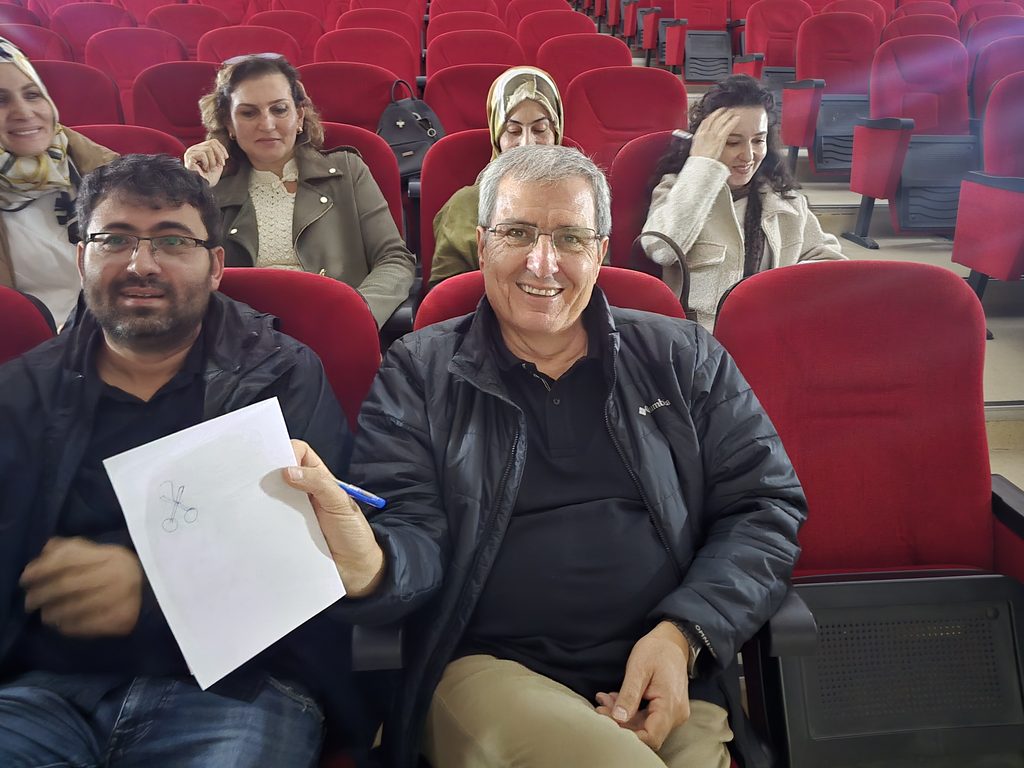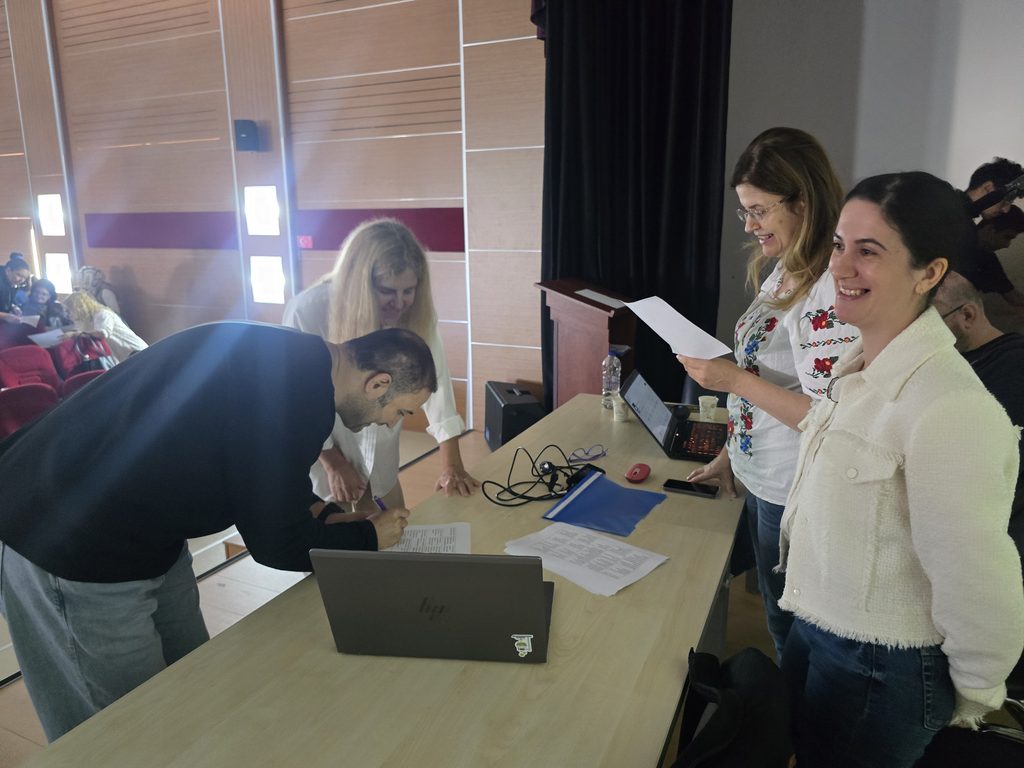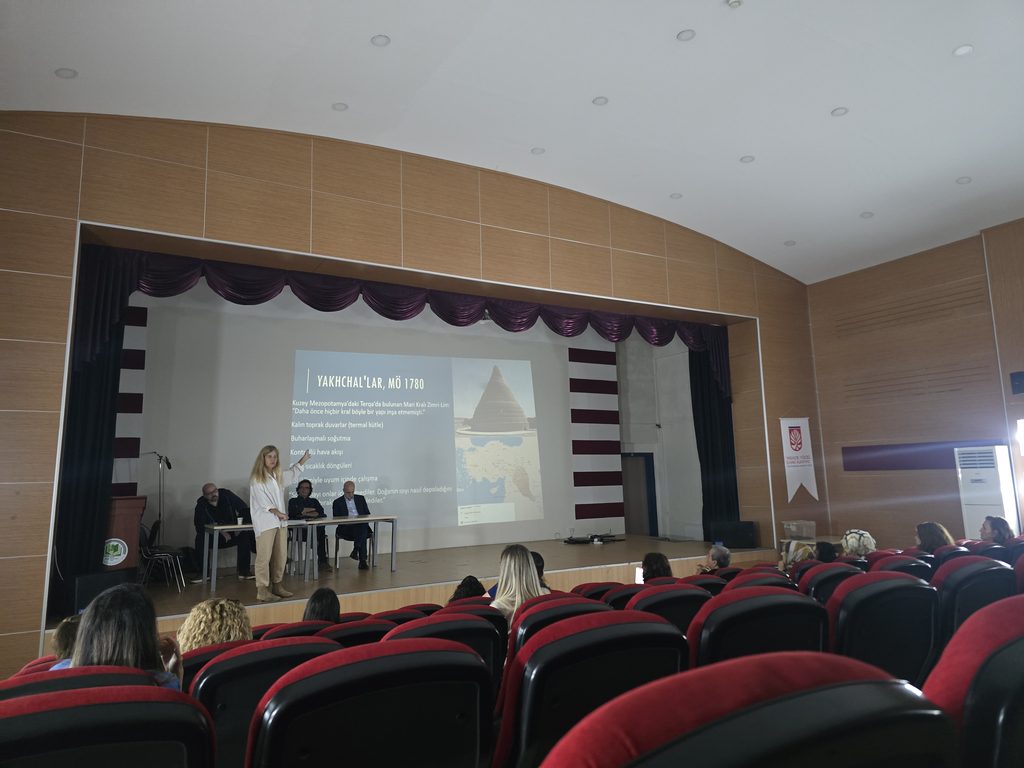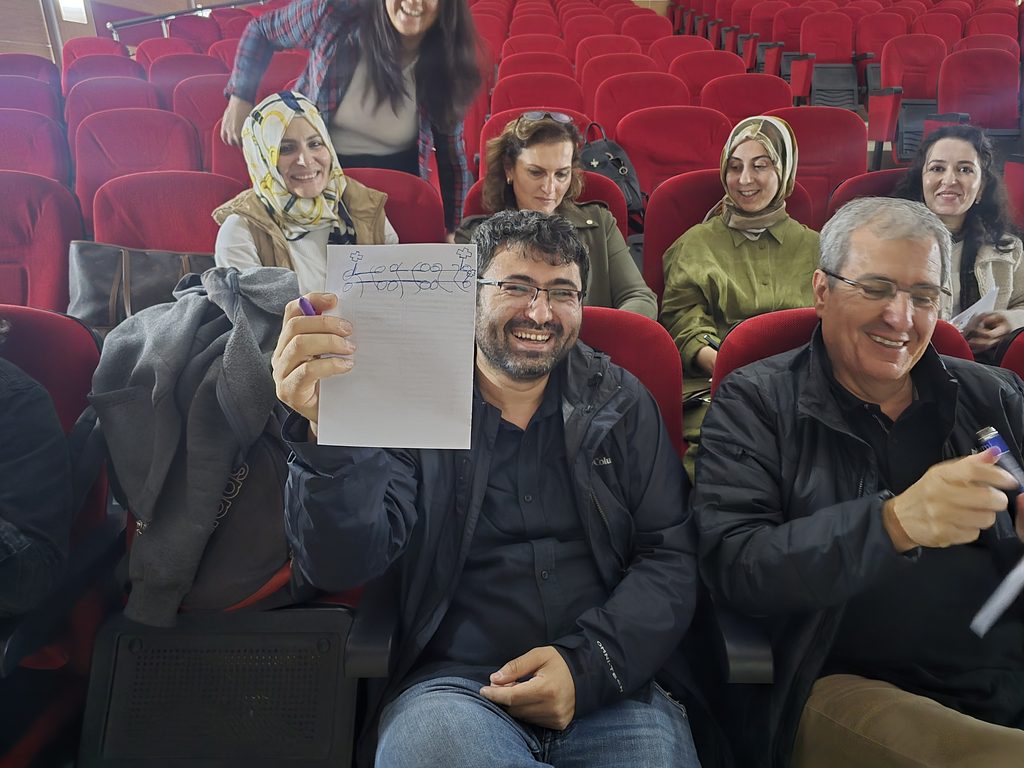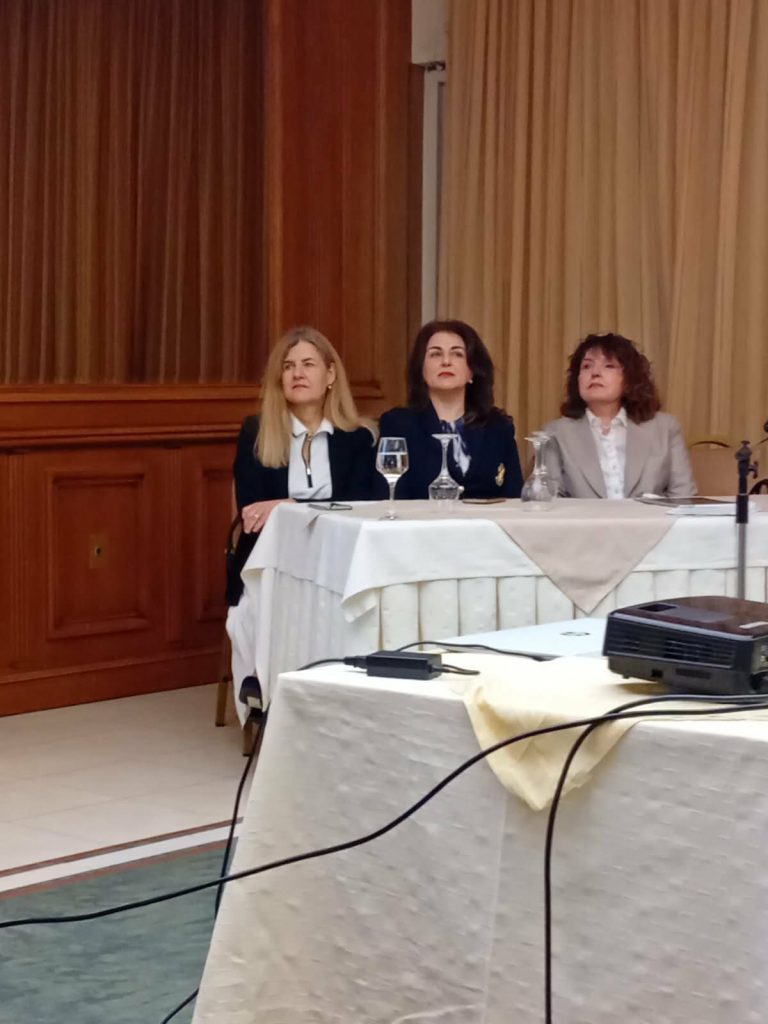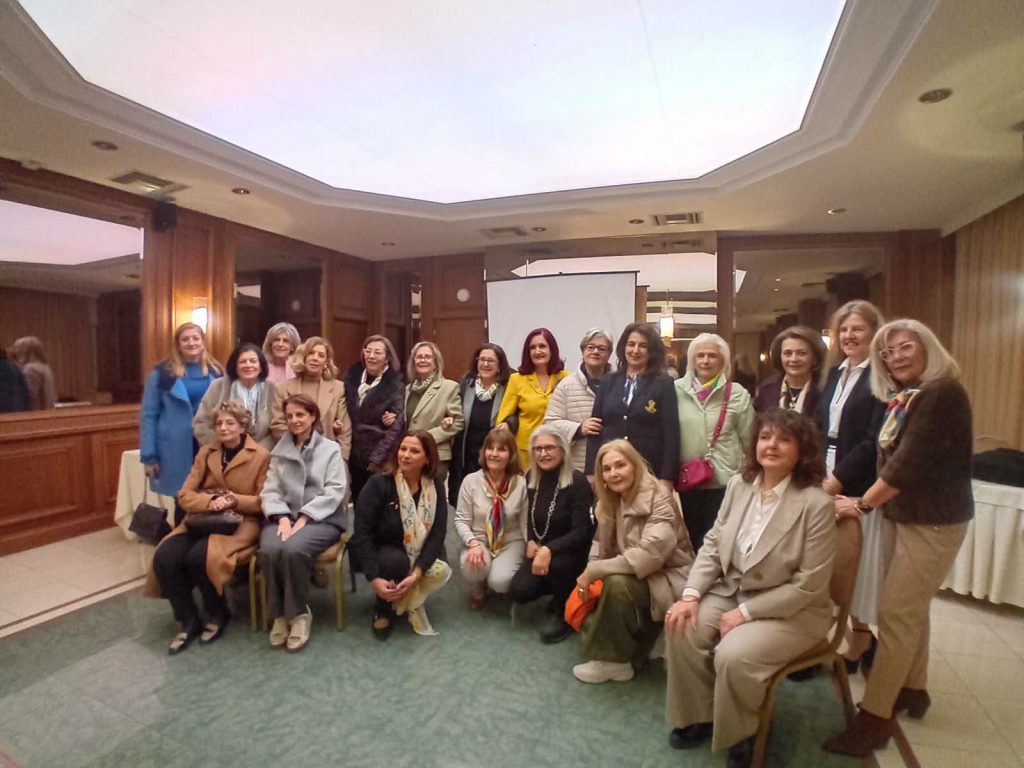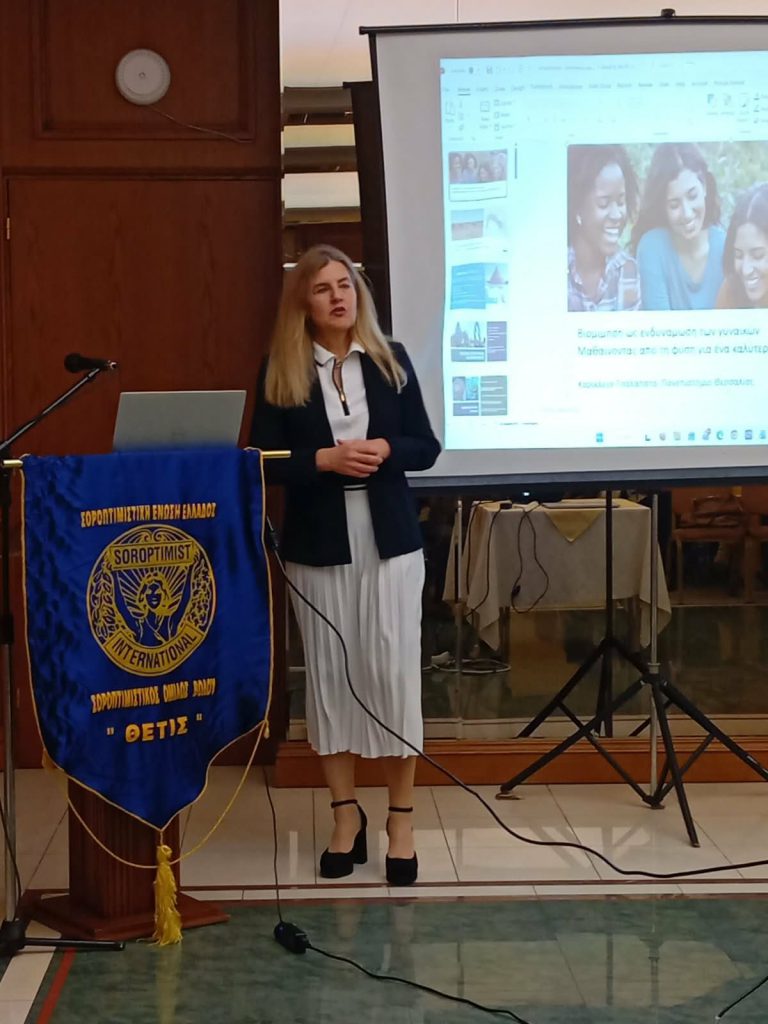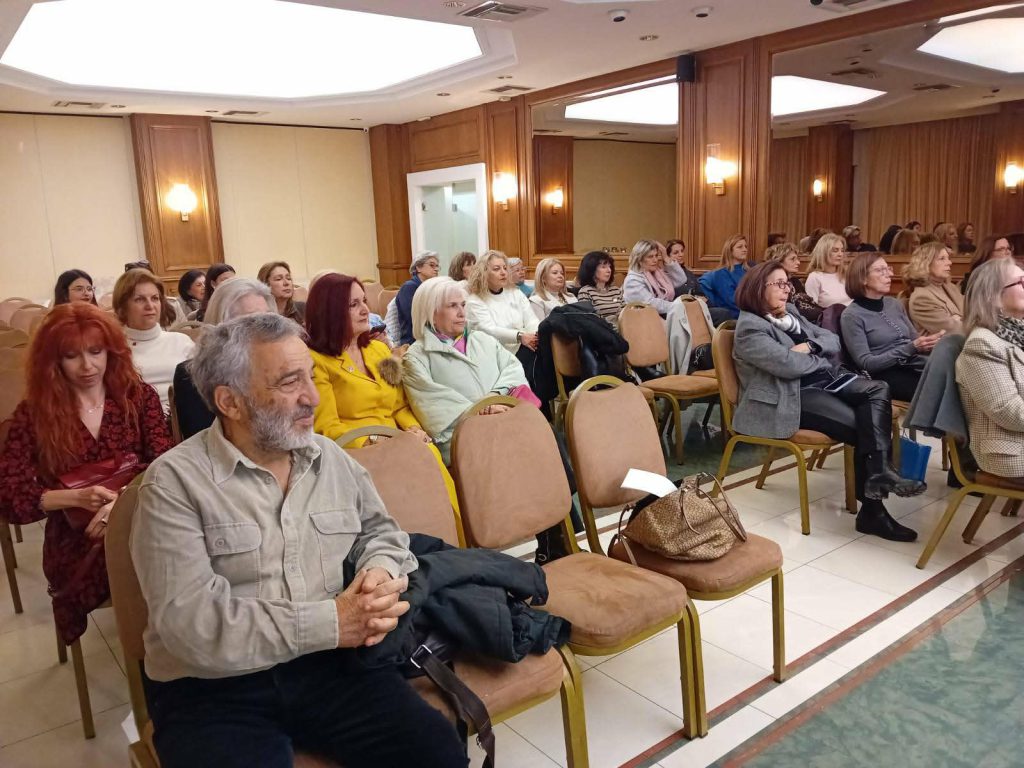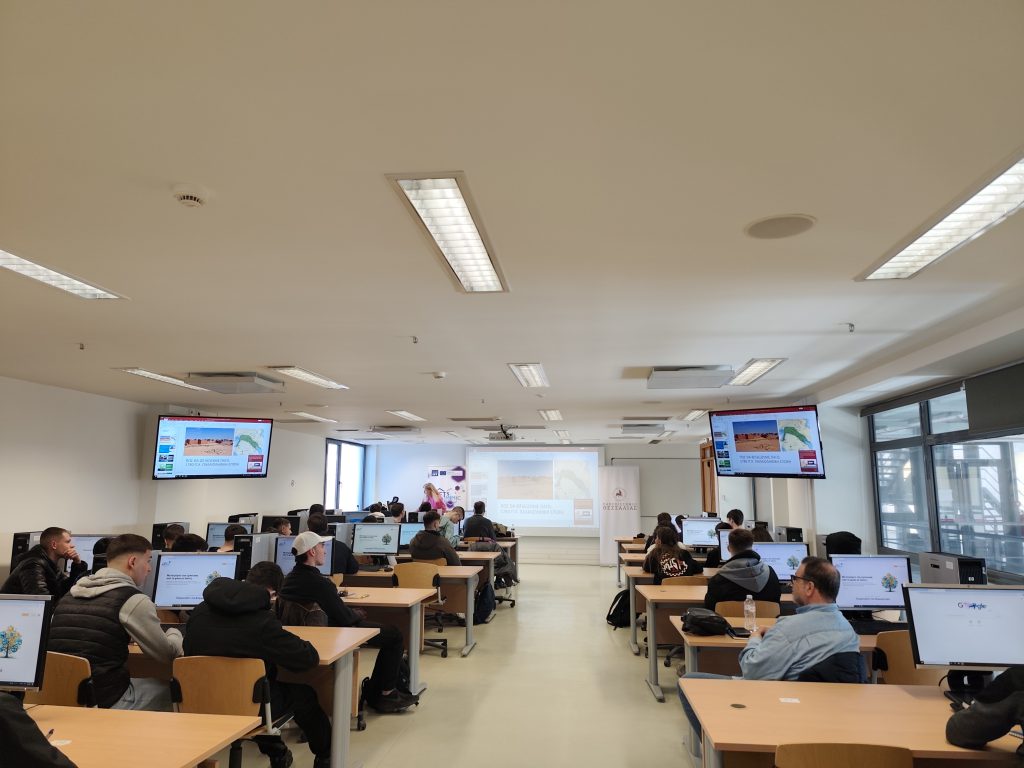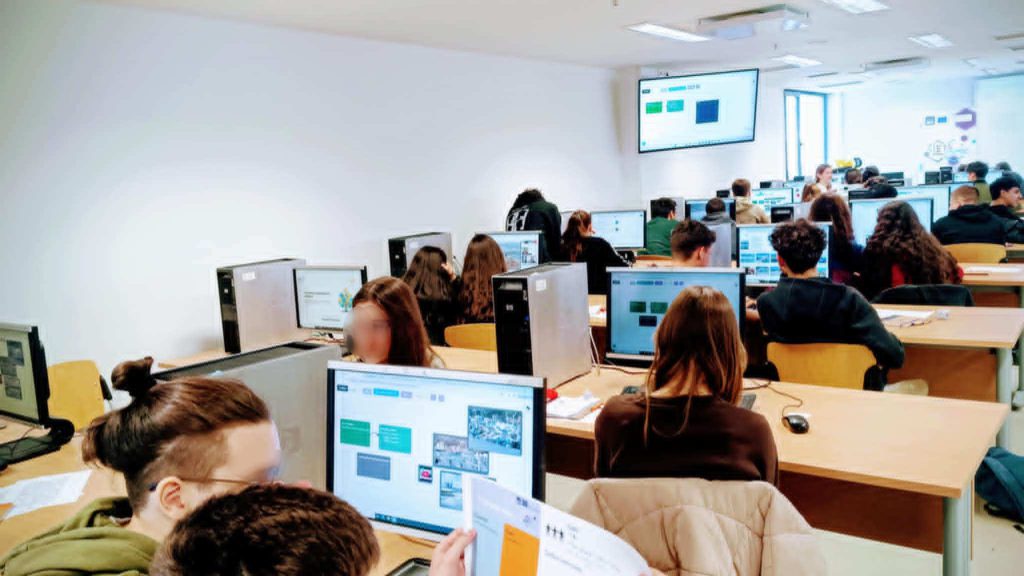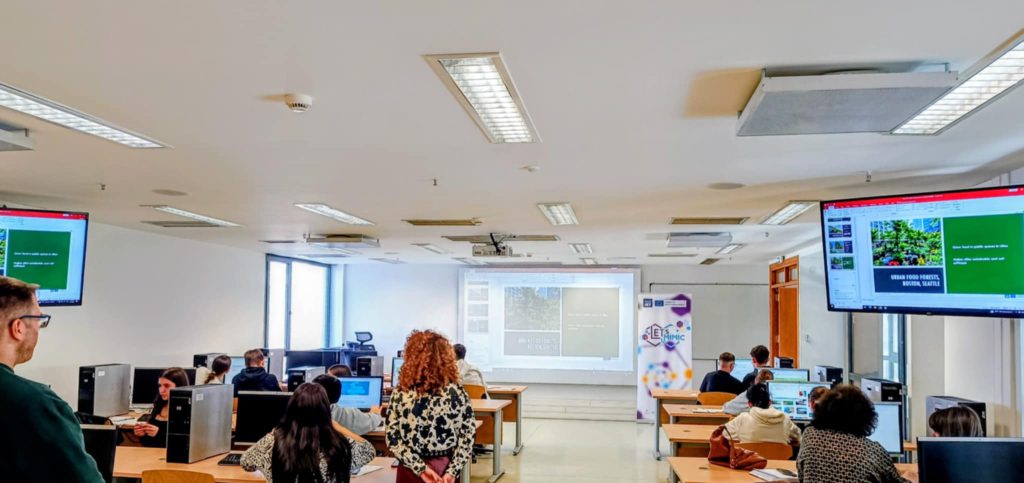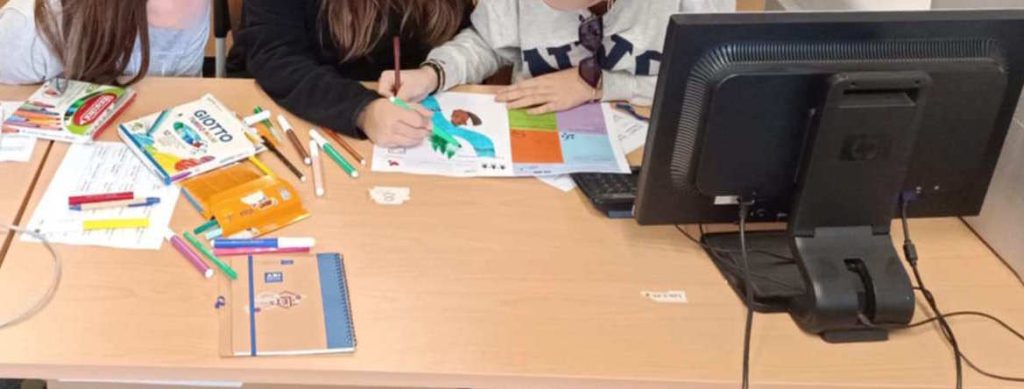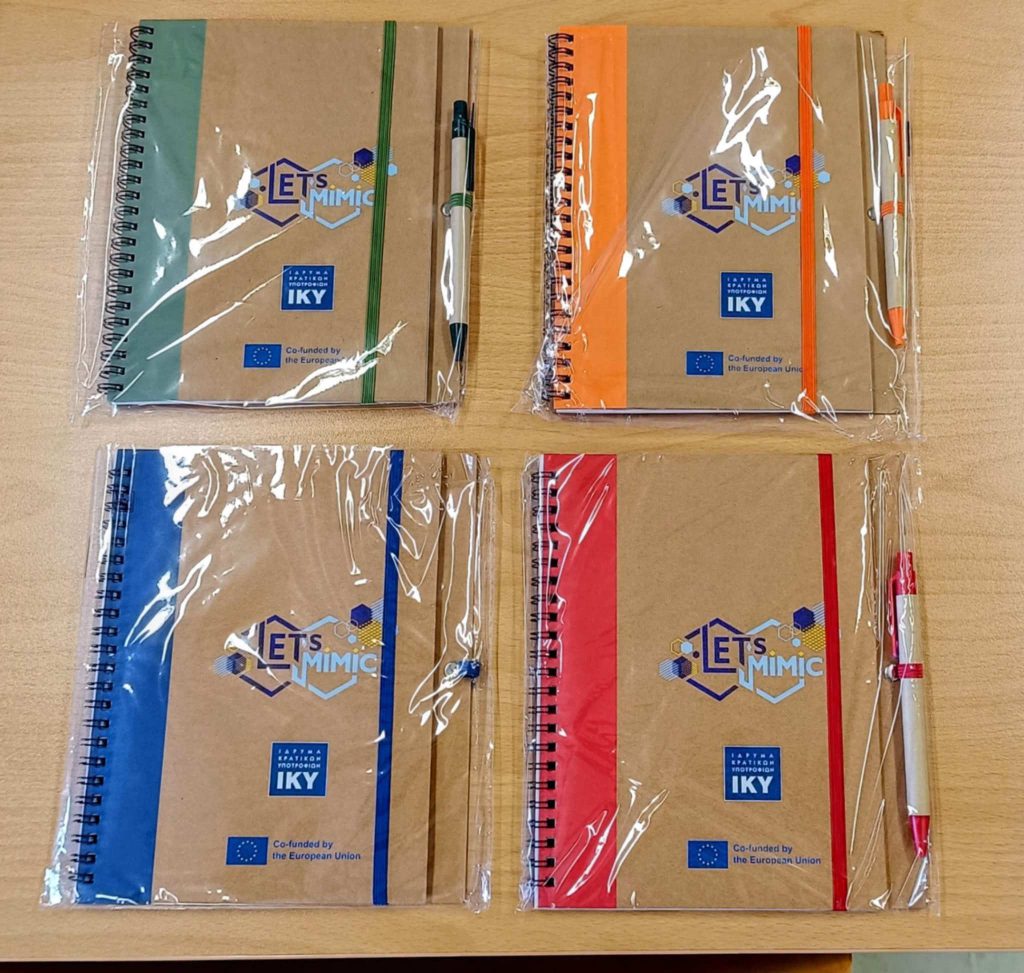
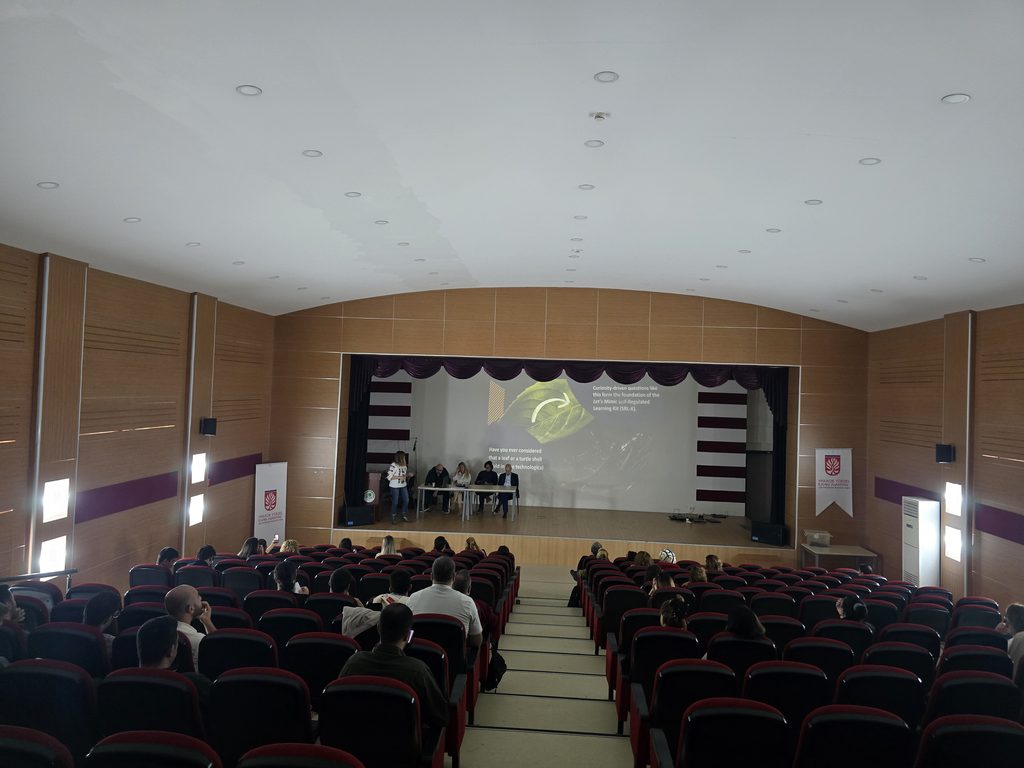
The Creative Technologies Learning Lab research team organised on January 27, 2026 a multiplier event for Erasmus+ project LET’s MIMIC which introduces biomimicry in learning. Biomimicry is an innovative design processs where solutions are inspired by the wisdom of natural models and processes. Project LET’s MIMIC has develop a digital learning platform for biomimicry and rich educational resources.
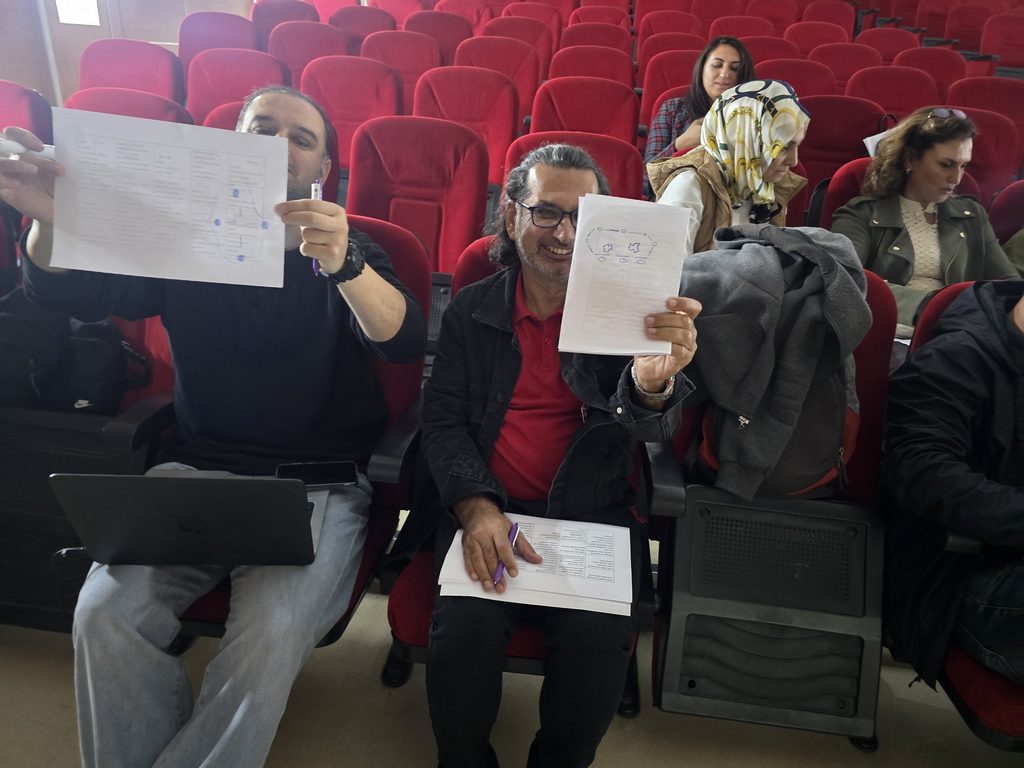
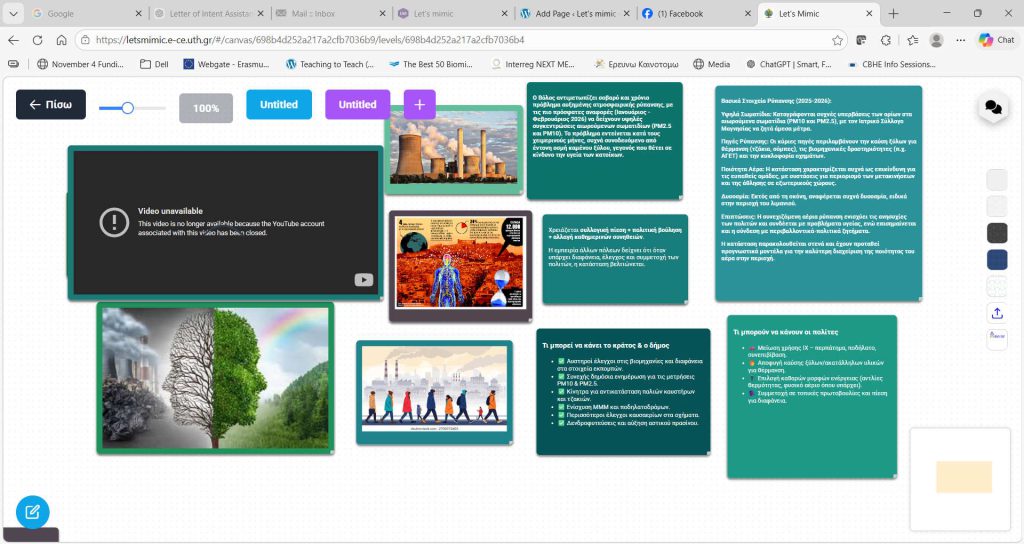
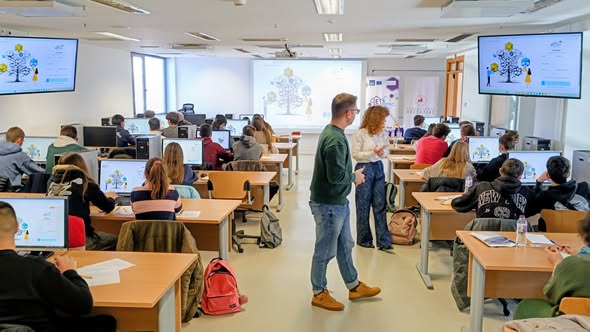
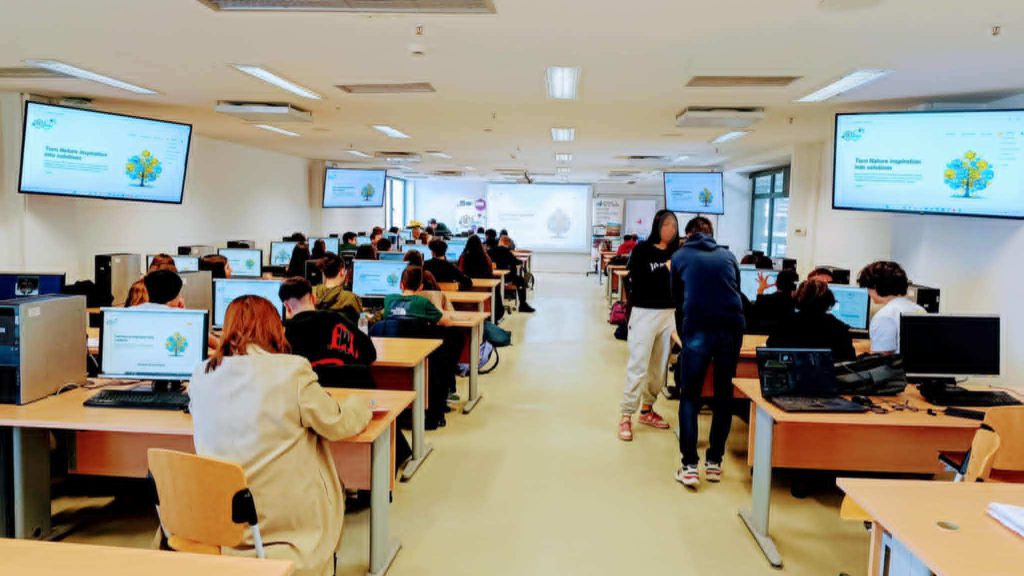
During the event, approximately 30 students used the LET’s MIMIC digital learning platform to design solutions for improving quality of life in their hometown of Volos, particicularly related to climate change consequences, including natural disasters, such as the recently experienced floods and wildfires. Students designed solutions for water management, air pollution, adding greenery in the city, and reducing the use of cars.
LET’s MIMIC was used with students from the Music School of Volos, who visited the Department of Electrical and Computer Engineering on January 14, 2025, to participate in a workshop introducing nature-inspired solutions to improve quality of life.
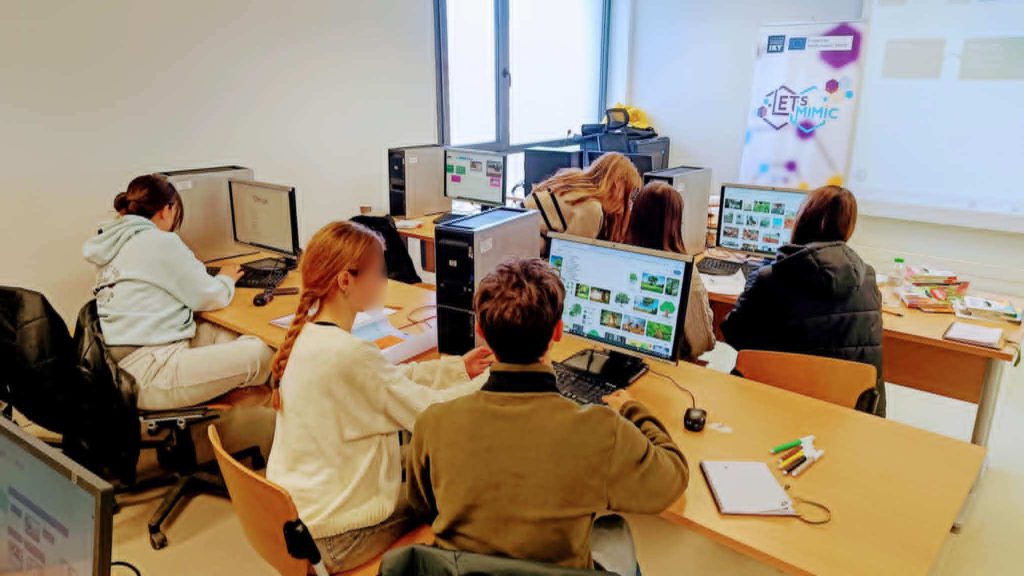
30 students and their teachers designed Biomimicry solutions inspired by natural processes and models for addressing climate change challenges in their town of Volos. Students used the LET’s MIMIC digital learning platform to collaborate in groups and present their innovative ideas to the class. A discussion followed in which students commented and helped improve each other’s ideas.
The Department of Electrical and Computer Engineering of the University of Thessaly, through its Creative Technologies Learning Lab (CTLL) research group (http://ctll.e-ce.uth.gr), successfully hosted an inspiring experiential workshop on 16 December 2025, dedicated to the design of innovative, nature-inspired solutions. The event welcomed 45 students from the 2nd Model High School of Volos, who visited the Department’s computer laboratories, accompanied by their teachers, Ms Giola Dimitrakopoulou and MsEffi Naomidousee more
Through an engaging and highly interactive biomimicry workshop, students were introduced to a cutting-edge methodology that harnesses the intelligence of nature to address contemporary sustainability challenges. Working in multidisciplinary teams, participants actively explored real-world problems, analysed natural systems, and creatively translated biological principles into innovative solution concepts. The workshop empowered students to develop ideas to improve the quality of life in the city of Volos, embracing an approach that works in harmony with nature rather than in opposition to it.
The learning experience was further enriched by innovative digital learning services and educational resources developed by the University of Thessaly, enabling students to strengthen their practical green and digital skills while cultivating creativity, critical thinking, and collaboration—competencies essential for the green and digital transition.
The workshop was delivered as part of the LET’s MIMIC Erasmus+ funded research project, supported by the Greek National Agency IKY. The project brings together a dynamic international consortium of educational organisations from Romania, France, Spain, Portugal, and Turkey, promoting European cooperation in sustainable innovation and education. The project is scientifically coordinated by Ms Charikleia Tsalapata, EDiP staff member of the Department, and Professor Emeritus Mr Elias Houstis.
By opening its laboratories to young learners and fostering creativity inspired by nature, the University of Thessaly reaffirms its commitment to innovation, sustainability, and the empowerment of the next generation of problem-solvers.
Today we had the pleasure to work with the Musical High School of Volos to design solutions inspired by nature (biomimicry or nature-based solutions) for addressing climate change impact in our town. 14 students and their teachers, Ms. Chrysoula Makri and Afroditi Kalantzopoulou, visited the Department of Electrical and Computer Engineering. The activity was organised within Erasmus+ project Let’s Mimic, which develops learning resources for introducing biomimicry principles in learning.
Students participated in team building and creativity exercises. Then, they were familiarised with biomimicry principles and examples, such as termite mounds for natural cooling of buildings, kingfisher beak shape inspiring bullet train design for reduced friction and noise, whale fins inspiring windmill design for energy production, seaweed cultivation for CO2 absorption, green roofs and terraces for clean air and temperature control in cities, and more.
Students used the activities of the LET’s MIMIC toolkit to design solutions inspired by nature for protecting their home town of Volos, Greece against the impact of climate change through biomimicry solutions.
We would like to thank the school for the collaboration and hope to inspire environmental mindsets to tomorrow’s innovative thinkers.
Piloting started in Greece by using LET’s MIMIC methodologies, digital learning services, and resources with students in real-life learning activities in the context of course ECE553 Design Thinking, an elective in the 4th year of studies. 130 students are enrolled in the course in the fall 2025 semester. Students engaged with the Bullet Train activity, which is part of the LET’s MIMIC training modules, and aims at the design of a more efficient high speed train through inspiration from the Kingfisher, Adeli penguin, and owls for efficiency (reducing friction) and noise reduction see more
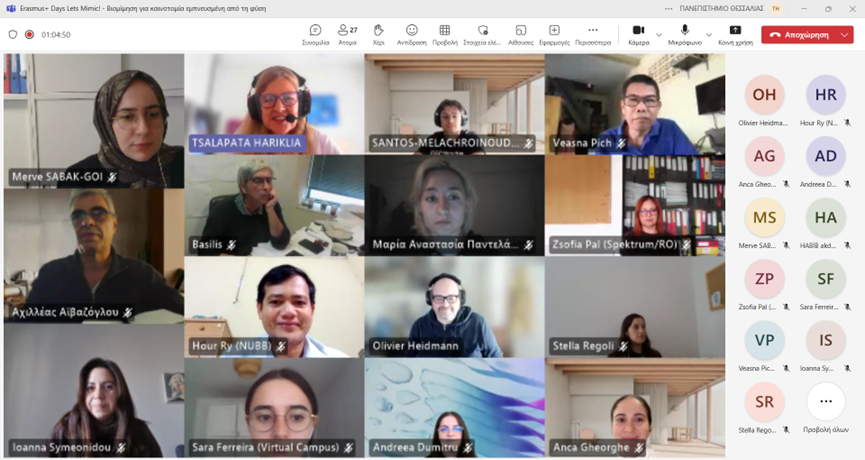
Project Let’s Mimic organised a webinar in the context of Erasmus+ Days 2025, a pan-European initiative for celebrating and showcasing Erasmus+ research projects funded by the European Commission. The audience was familiarised with the principles of biomimicry and innovative digital learning tools and resources developed by the project.
Project Let’s Mimic organised a capacity building event for teachers, researchers and scientists to promote the ability to innovate inspired by nature through a biomimicry methodology, a pioneering design method based on natural models and processes to introduce sustainable solutions. The action took place in Porto, Portugal, between 1 and 3 July 2025, with the participation of 15 scientists from Romania, France, Spain, Portugal, Turkey and Greece. The event aimed to equip trainers, researchers, and scientists with the creative and practical skills needed for the green transition by drawing inspiration from time-tested models, processes, and strategies of the natural world see more
On November 19, 2024, ATS organized a dissemination event with teachers from a local kindergarten to introduce the concept of biomimicry and its application in early childhood education. The event aimed to provide teachers with simple, age-appropriate examples of biomimicry that can be easily integrated into their teaching practices. The presentation began with an introduction to biomimicry, explaining its definition and importance, and how nature’s strategies can inspire innovative solutions to human challenges. During the event, several simple biomimicry examples were presented that are suitable for young children, relevance to everyday experiences, making them accessible and engaging for young learners. The core of the presentation focused on the six steps of biomimicry: Define, Biologize, Discover, Abstract, Emulate, and Evaluate see more
On November 27, 2024, ATS organized a dissemination event with students from Valahia University. The event aimed to provide an introduction to the Let’s mimic project and the concept of Biomimicry. During the event, examples inspired by nature were presented to develop innovative solutions to the challenges facing society, illustrating how Biomimicry can address problems in society. These examples highlighted both the challenges encountered and the nature-inspired solutions that were used to solve these challenges. The aim was to deepen the participants’ understanding of the concept of Biomimicry and its potential to contribute to the sustainable and efficient development of problems in various fields see more
On 06 February 2025, ATS has organised a dissemination event with the high school students from Turkey who were participating in an internship. The event aimed to introduce the students to the principles of Biomimicry and its application in vocational education and training (VET). The highlight of the event was a comprehensive presentation on the Biomimicry Design Process.
The students were introduced to the six steps of the biomimicry process: Define, Biologize, Discover, Abstract, Emulate, and Evaluate. Each step was explained in detail, with real-world examples illustrating how these principles can be applied to solve human challenges. see more