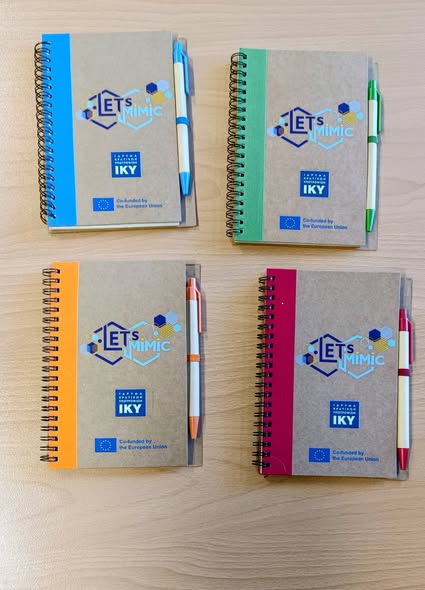
Let’s Mimic Project at the Forum of Funds and Financing Opportunities for SMEs

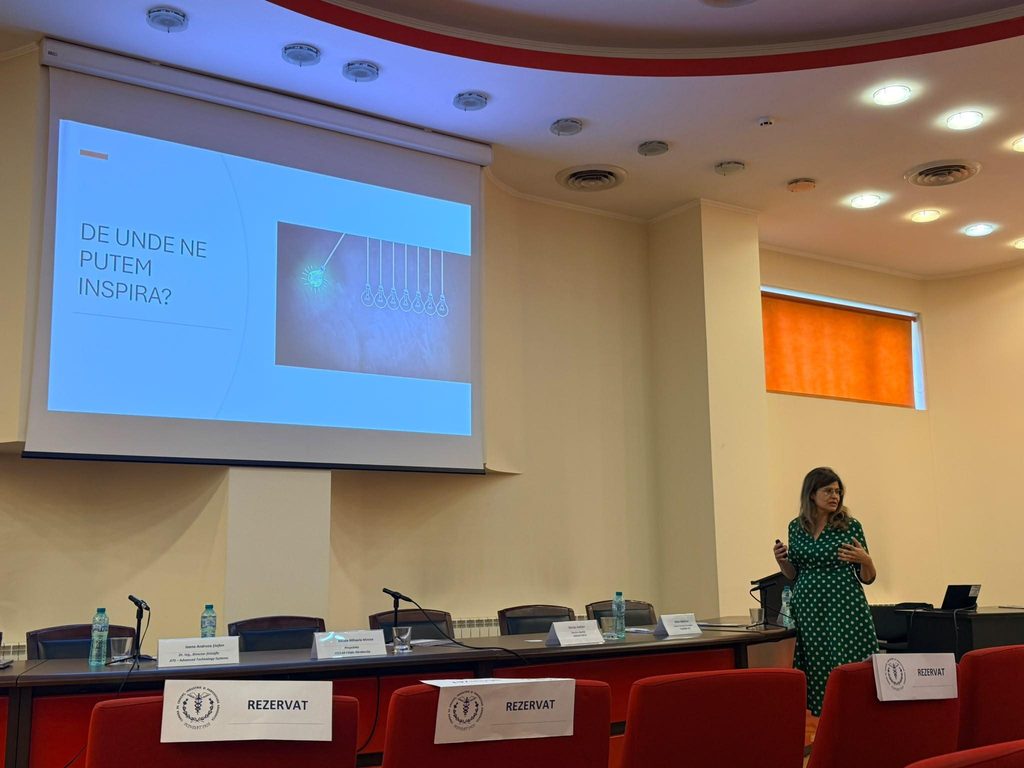
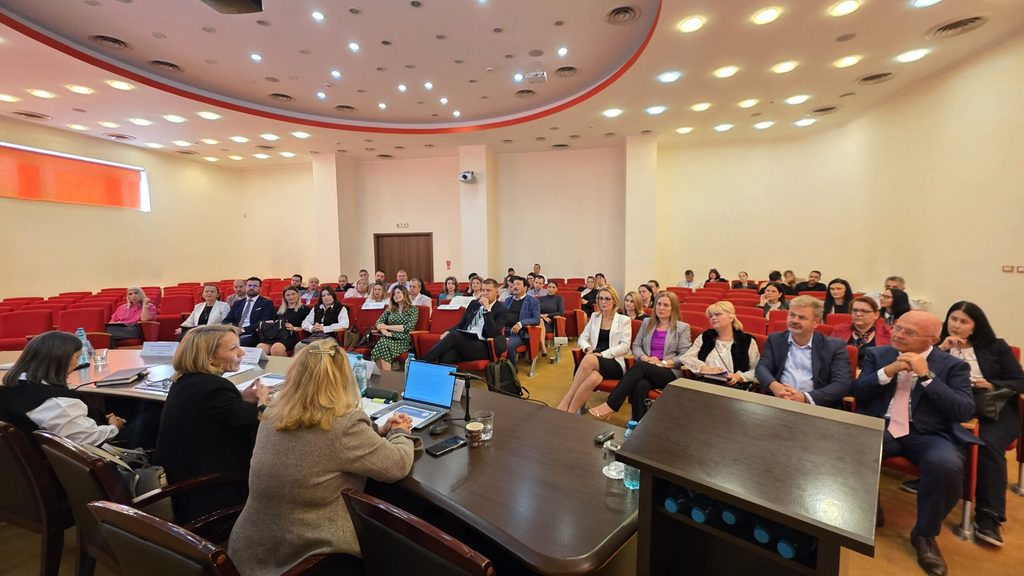
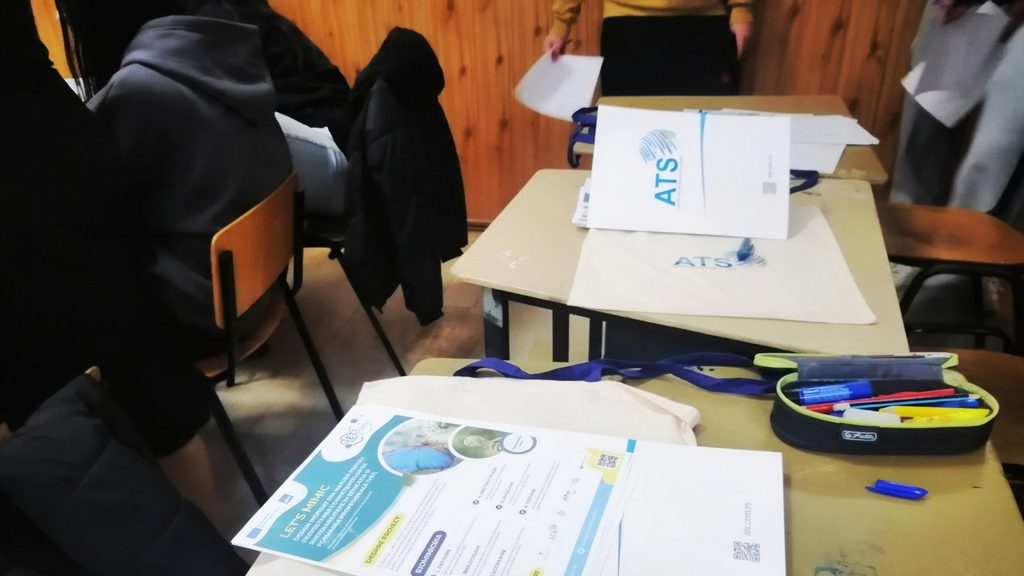
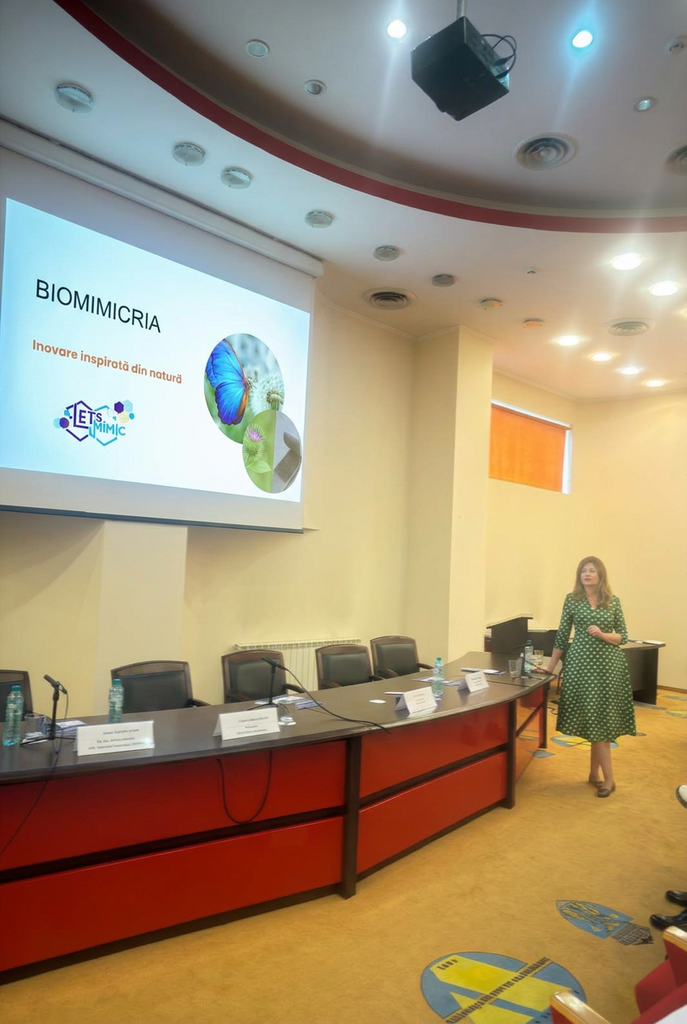
On 24 September 2026, ATS participated in the Forum of Funds and Financing Opportunities for SMEs, organised by the Dâmbovița Chamber of Commerce, Industry and Agriculture (CCIA Dâmbovița) at the International Conference Centre of Valahia University of Târgoviște.
The event served as a platform for dialogue between entrepreneurs, business representatives, and organisations interested in current and future funding opportunities, as well as practical tools that support business growth, innovation, and competitiveness.
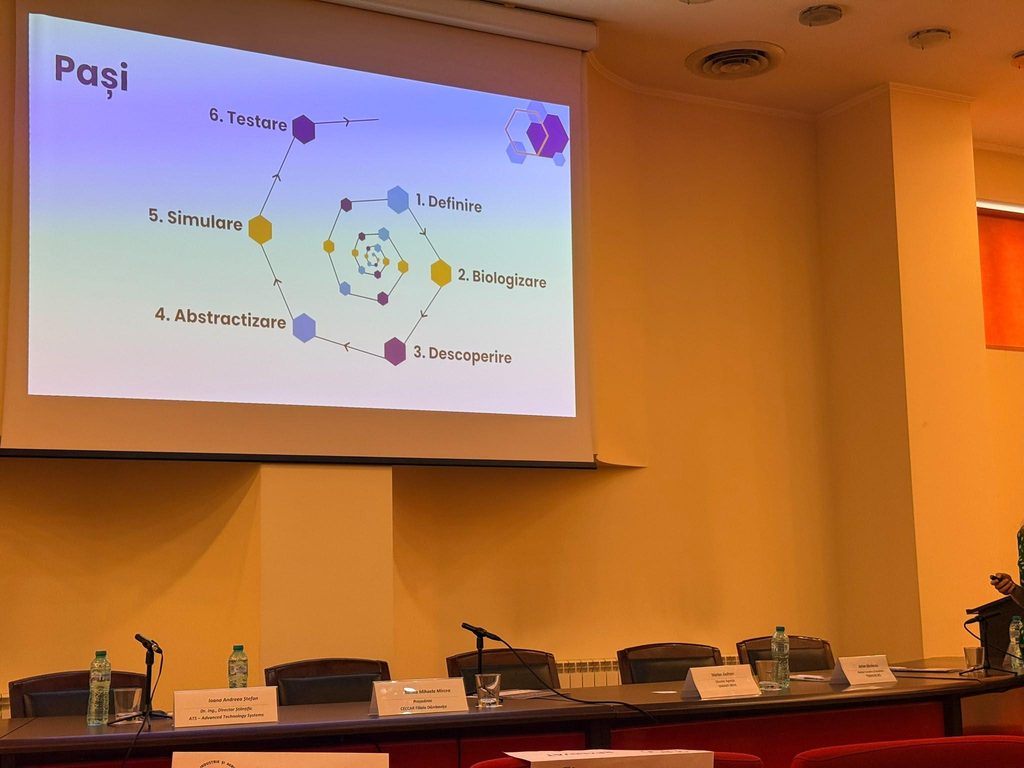
During the forum, ATS presented the Let’s Mimic project as an inspiring example of how biomimicry can foster innovation and creative problem-solving. Participants were introduced to the project’s educational resources, to help learners and professionals explore nature-inspired approaches to addressing real-world challenges.
The presentation highlighted how solutions found in nature can inspire new ideas and sustainable practices in areas such as entrepreneurship, product development, technology, and environmental sustainability. By showcasing the project within a business-focused environment, ATS contributed to raising awareness of Biomimicry as a valuable tool for innovation and long-term business development.

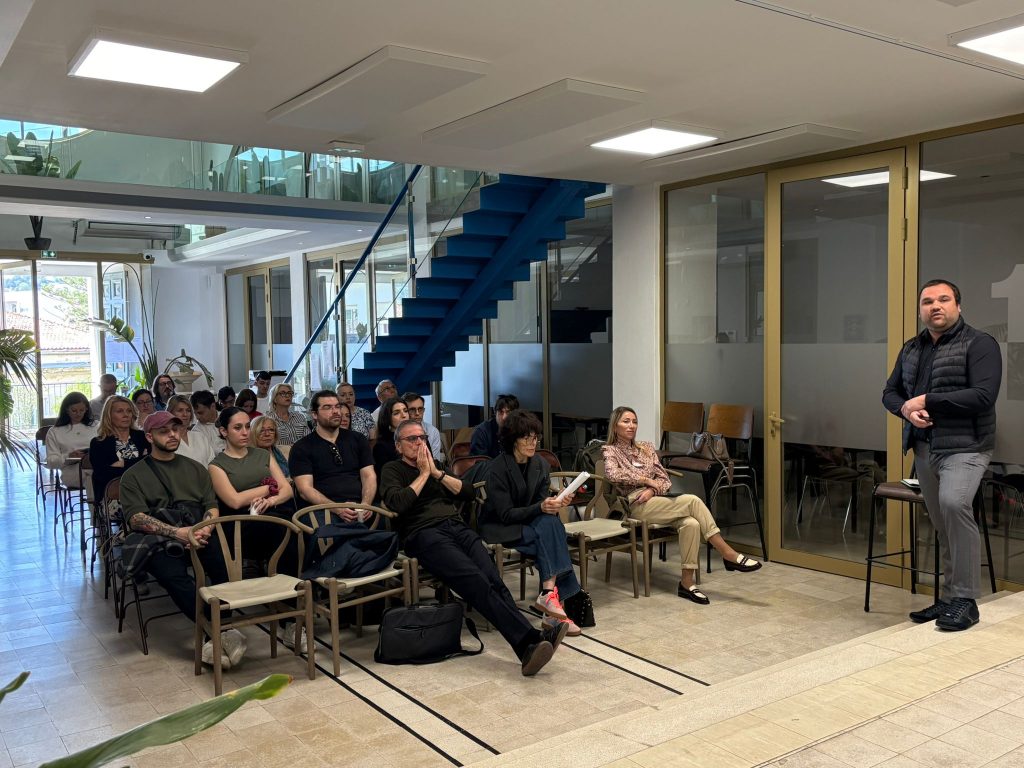
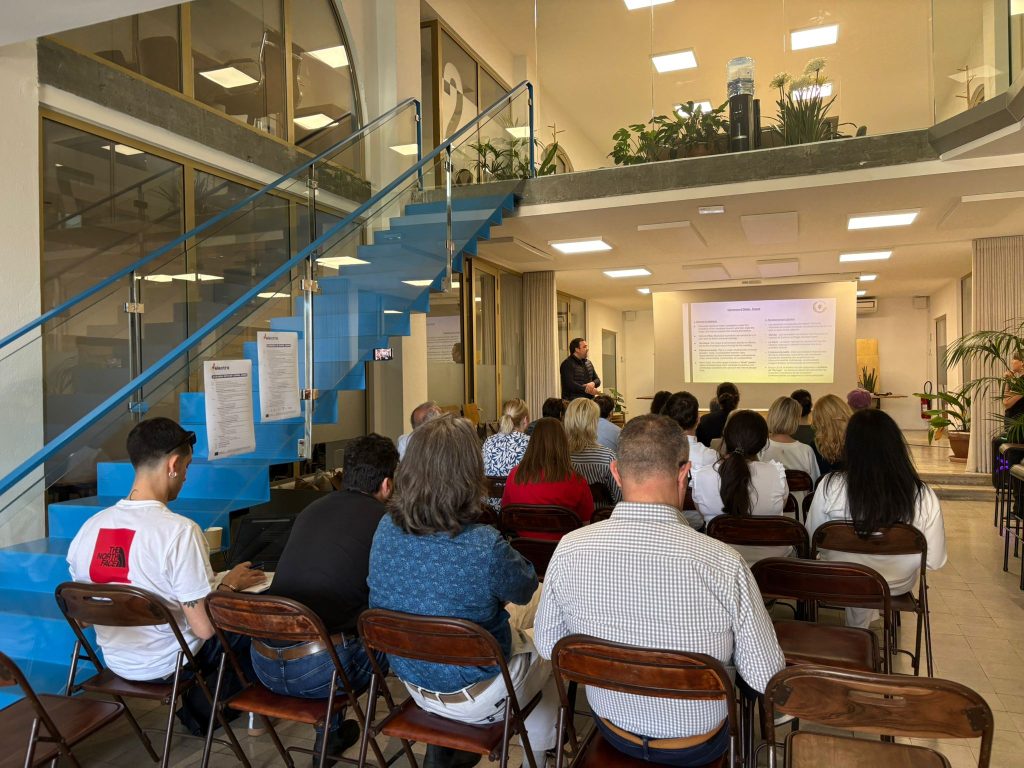
Mutliplier event in Corsica 3/7/2026

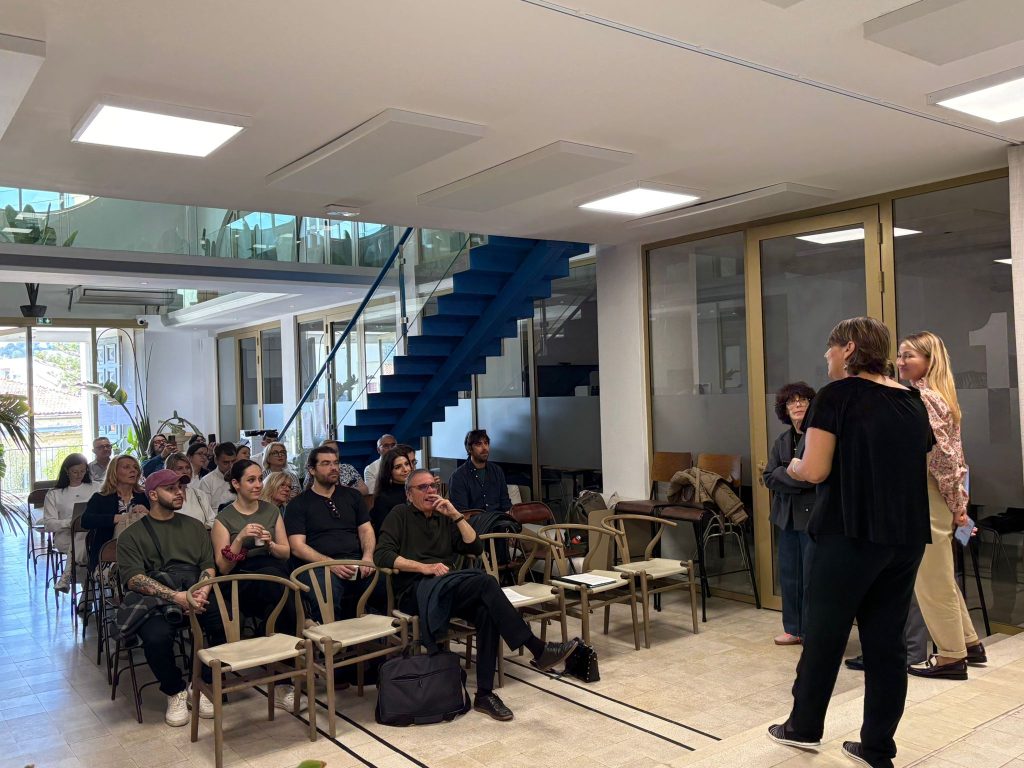
Études et Chantiers Corsica (ECC) successfully organised a LET’s MIMIC multiplier event in Corsica, France, on 3 June 2026. The event brought together 30 participants, including young people engaged in socio-professional integration pathways, trainees enrolled in vocational training programmes related to green spaces and environmental maintenance, trainers, and ECC staff members.

The event aimed to introduce participants to LET’s MIMIC’s objectives, methodologies, and educational outcomes, while demonstrating biomimicry’s potential as an innovative approach to sustainability, environmental protection, and vocational skills development.

The event emphasised connecting biomimicry principles with participants’ professional interests and learning needs. Given their involvement in vocational activities related to green space management, environmental maintenance, and ecological practices, the event offered an opportunity to explore how nature-inspired approaches can inform practical solutions to environmental challenges they face in training and future employment.

The event also highlighted the importance of inclusive green skills development, showing how innovative educational methods can reach learners from diverse backgrounds, including young people in socio-professional integration programmes. By making biomimicry concepts accessible and relevant to vocational practice, the session encouraged active engagement, environmental awareness, and interest in sustainable professional activities.

The multiplier event therefore helped disseminate LET’s MIMIC outcomes among vocational learners, trainers, and professionals while highlighting biomimicry’s relevance to green employment, sustainable working practices, and the development of environmentally responsible competencies.

The multiplier event featured an interactive presentation and discussion session that combined an introduction to the LET’s MIMIC project, an exploration of biomimicry principles, a presentation of digital educational resources, and a reflection on practical applications in vocational and environmental contexts.

Event program

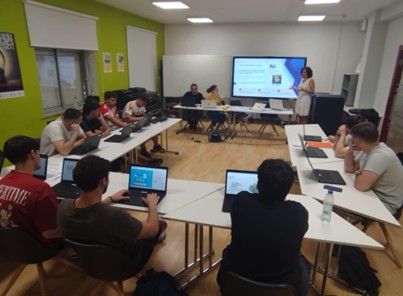
Multiplier event at the CIFP Juan de Herrera, June 11, 2026

The second LET’s MIMIC multiplier event in Spain was successfully organised on 11 June 2026 at CIFP Juan de Herrera, a vocational education and training centre located in Valladolid, Spain (https://cifpjuandeherrera.centros.educa.jcyl.es).

The centre specialises in vocational training in mechanical manufacturing and vehicle transport and maintenance. These areas are particularly relevant to biomimicry, offering opportunities to apply nature-inspired design principles to challenges related to mechanical efficiency, sustainable manufacturing, material optimisation, energy consumption, and technological innovation.

The event brought together 16 participants, including VET students and teachers interested in exploring biomimicry as an innovative approach to sustainability-oriented vocational education and training.

The multiplier event introduced participants to the LET’s MIMIC project, its educational methodology, and its digital learning resources, while demonstrating how biomimicry principles apply to practical technical challenges in vocational training and professional environments.

The event emphasised connecting biological inspiration with engineering and technical competencies, encouraging participants to consider how natural organisms, structures, and processes can inform more efficient, functional, and environmentally responsible design solutions.

The event also provided an opportunity to explore how integrating biomimicry into vocational education can support green skills development, interdisciplinary learning, and the modernisation of technical training, helping prepare future professionals for increasingly sustainability-oriented industries.

The multiplier event featured an interactive presentation and practical workshop, combining an introduction to LET’s MIMIC, exploration of biomimicry principles, demonstration of the project’s digital learning platform, and collaborative application of nature-inspired problem-solving methodologies.

The session began with a presentation of the LET’s MIMIC project, its objectives, activities, and main educational outcomes. Participants learned about the project’s approach to promoting sustainability and green skills through biomimicry-based learning and innovative digital educational resources.

The presentation highlighted how biomimicry can enrich technical and vocational education by encouraging learners to explore biological strategies and consider their application to engineering, manufacturing, vehicle maintenance, and sustainable technological design.

Participants were subsequently introduced to the fundamental principles of biomimicry, exploring how organisms and natural systems have developed effective strategies for structural efficiency, movement, adaptation, resource optimisation, and environmental resilience.

Through illustrative examples and guided discussion, participants considered how natural structures and biological processes can inspire innovative approaches to technical challenges. The session placed particular emphasis on the relevance of nature-inspired design to mechanical performance, sustainable production, material efficiency, and environmentally responsible engineering practices.

The session also included a hands-on demonstration of the LET’s MIMIC Digital Learning Platform and educational resources. Participants were familiarised with the platform’s features and the opportunities it offers to explore biomimicry concepts, follow structured learning activities, and support collaborative problem-solving.

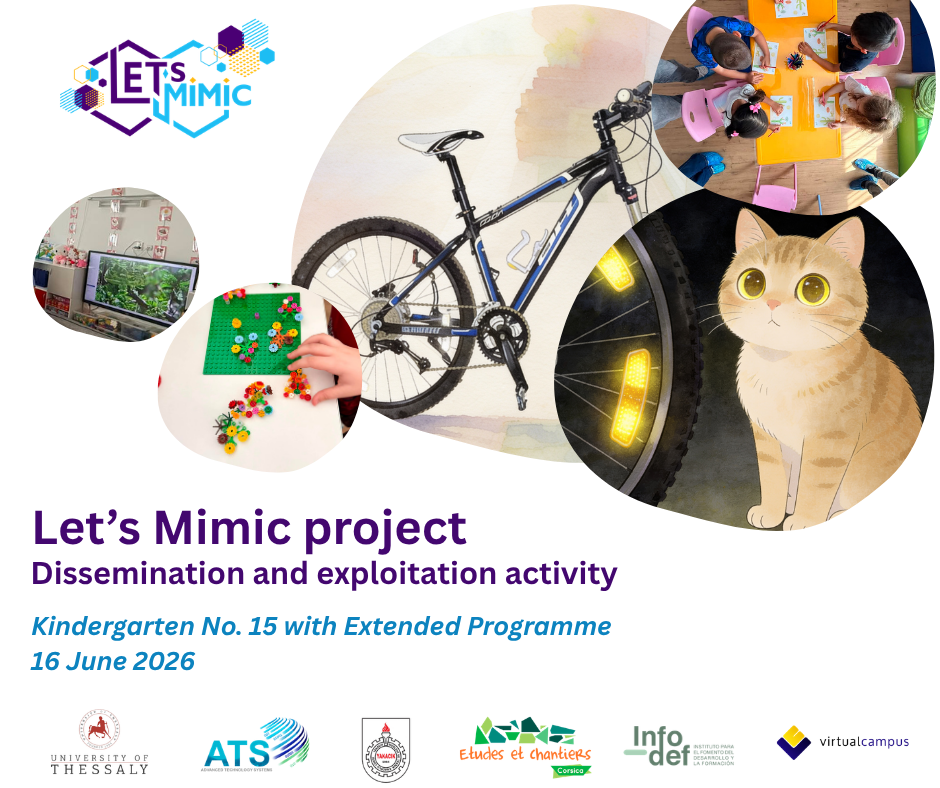
Let’s Mimic: Inspired by Nature – A Fun Biomimicry Adventure with Young Innovators

On 16 June 2026, as part of the dissemination and exploitation strategy of the Let’s Mimic project, ATS organised an educational activity in collaboration with Kindergarten No. 15 with Extended Programme.
The event aimed to introduce children to the concept of biomimicry, showing how many inventions and innovations are inspired by nature. Through a combination of interactive digital activities and hands-on learning experiences, children and teachers explored how plants, animals, and natural processes have influenced human-made solutions and technologies.
The session included engaging digital exercises, colouring activities, and LEGO-based challenges, where children recreated simple nature-inspired inventions. These activities encouraged creativity, logical thinking, and curiosity while making learning both enjoyable and accessible.
By connecting nature with real-world innovation, the activity helped raise awareness of the Let’s Mimic approach and demonstrated how learning from nature can inspire sustainable and creative solutions. The enthusiastic participation of both children and educators contributed to the project’s long-term impact and outreach.
Interested in learning more about the Let’s Mimic project? Visit: https://letsmimic.eu

Let’s Mimic Piloting Activity with Students from VET High School Economic “Ion Ghica”

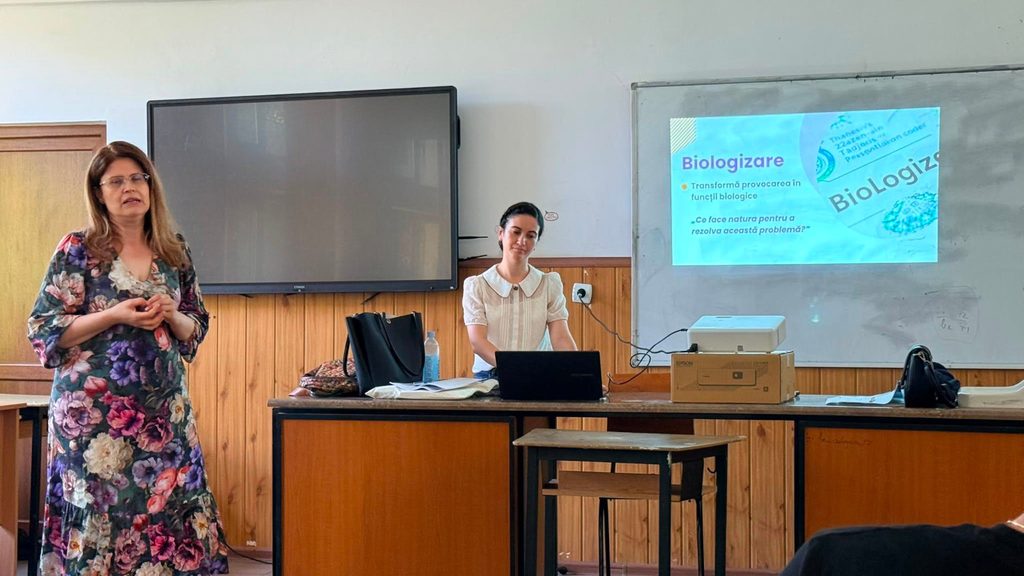
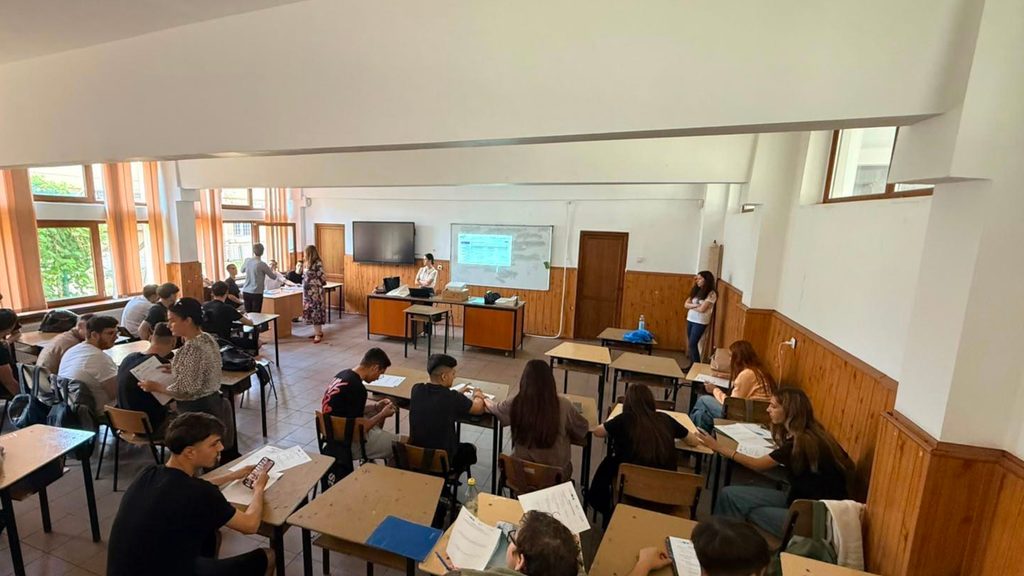
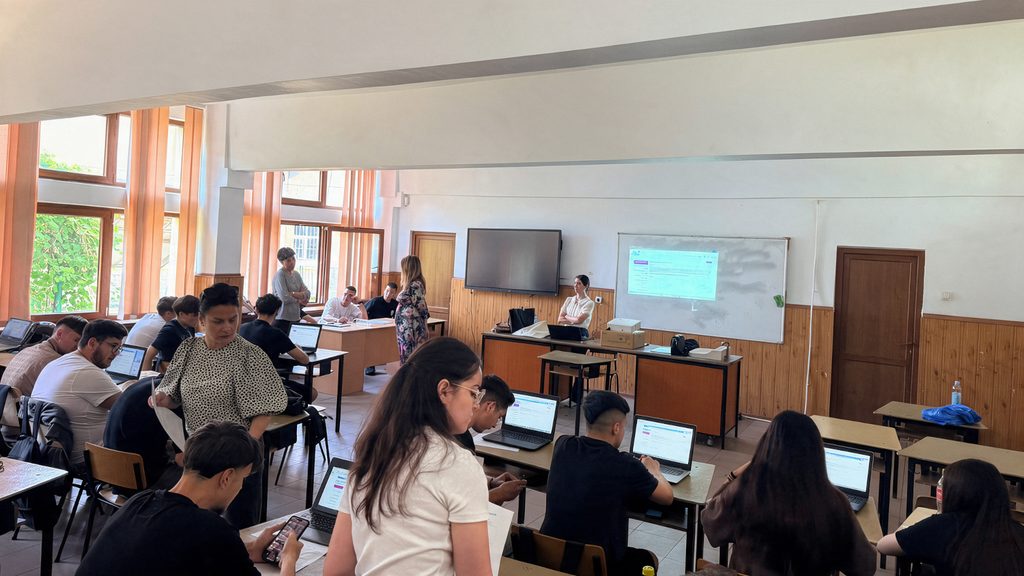
On 9 June 2026, ATS organised a piloting activity with students from the VET High School Economic “Ion Ghica” in Târgoviște as part of the Let’s Mimic project.
During the session, students were introduced to the principles of biomimicry, learning how nature can inspire innovative solutions to real-world challenges. Using the Let’s Mimic platform, participants explored educational modules, interactive resources, and practical examples demonstrating how natural systems can be applied to fields such as business, technology, and sustainability.
The activity encouraged creativity, critical thinking, and problem-solving while giving students the opportunity to experience an innovative learning approach based on nature-inspired innovation. The session also provided valuable feedback for the ongoing development and improvement of the project resources.

Multiplier event at the CIFP Pico Frentes 1/05/2026

The first LET’s MIMIC multiplier event in Spain was successfully organised on 11 May 2026 at CIFP Pico Frentes, a vocational education and training centre located in Soria, Spain (https://cifppicofrentes.centros.educa.jcyl.es).

The centre provides vocational education in several technical and professional fields, including electricity and electronics, energy and water, installation and maintenance, wood, furniture and cork, and transport and vehicle maintenance. These areas are particularly relevant to biomimicry, as they offer opportunities to apply nature-inspired design principles to challenges related to energy efficiency, sustainable materials, resource management, technical innovation, and environmental protection.

The event brought together 24 participants, including VET students, teachers, and training staff interested in exploring the potential of biomimicry and nature-inspired design in vocational education.

The multiplier event introduced participants to the LET’s MIMIC project, its innovative educational methodology, and its digital learning resources, while demonstrating how biomimicry can integrate into technical vocational training to promote creativity, sustainability, and practical problem-solving.

The event emphasised connecting biomimicry principles with the professional competencies and technical knowledge developed through VET programmes. Participants were encouraged to consider how biological structures, natural processes, and ecosystem strategies can inspire innovative solutions to challenges encountered in technical professions.

The event also demonstrated LET’s MIMIC’s relevance to green skills development and the modernisation of vocational education, highlighting how sustainability-oriented design approaches can complement existing vocational curricula and prepare learners to address emerging environmental and professional challenges.

The multiplier event featured an interactive presentation and hands-on workshop, combining an introduction to the LET’s MIMIC project, exploration of biomimicry principles, demonstration of digital educational resources, and collaborative application of nature-inspired problem-solving methodologies.

The session began with a presentation of the LET’s MIMIC project, its objectives, activities, and main outcomes. Participants were introduced to the project’s approach to integrating biomimicry into vocational education and training, with particular attention to developing green competencies, creative thinking, and innovative pedagogical practices.

The presentation highlighted biomimicry’s potential to connect scientific knowledge with practical technical applications, encouraging learners to explore how natural systems can inspire improvements in the design, efficiency, functionality, and environmental performance of products, technologies, and processes.

Participants were subsequently introduced to the fundamental principles of biomimicry, exploring how organisms and natural systems have developed effective strategies for adaptation, resource efficiency, structural performance, and environmental resilience.

Through illustrative examples and guided discussion, participants discovered how these strategies can inspire innovative solutions to human challenges, particularly in technical fields relevant to their vocational training.

The session also included a practical demonstration of the LET’s MIMIC Digital Learning Platform and educational resources. Participants were familiarised with the platform’s features and the opportunities it offers to explore biomimicry concepts, follow structured learning activities, and support collaborative problem-solving.

The demonstration highlighted the potential of digital educational tools to support accessible, interactive, and learner-centred vocational education, enabling students and educators to engage with innovative learning content and apply biomimicry methodologies to practical challenges.

After the introductory presentations and platform demonstration, participants joined a hands-on, collaborative design workshop. Working in small groups, they identified challenges relevant to their vocational fields and explored how biological strategies could inspire potential solutions.
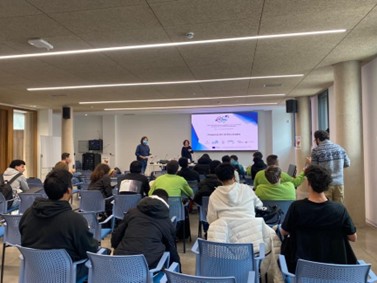
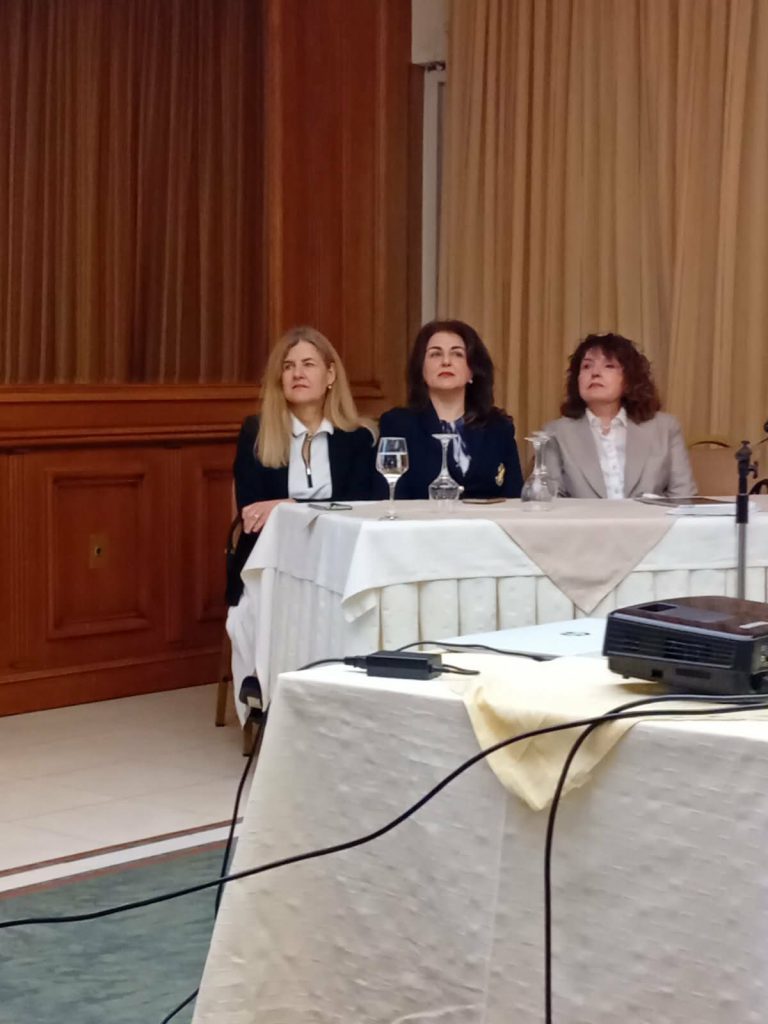
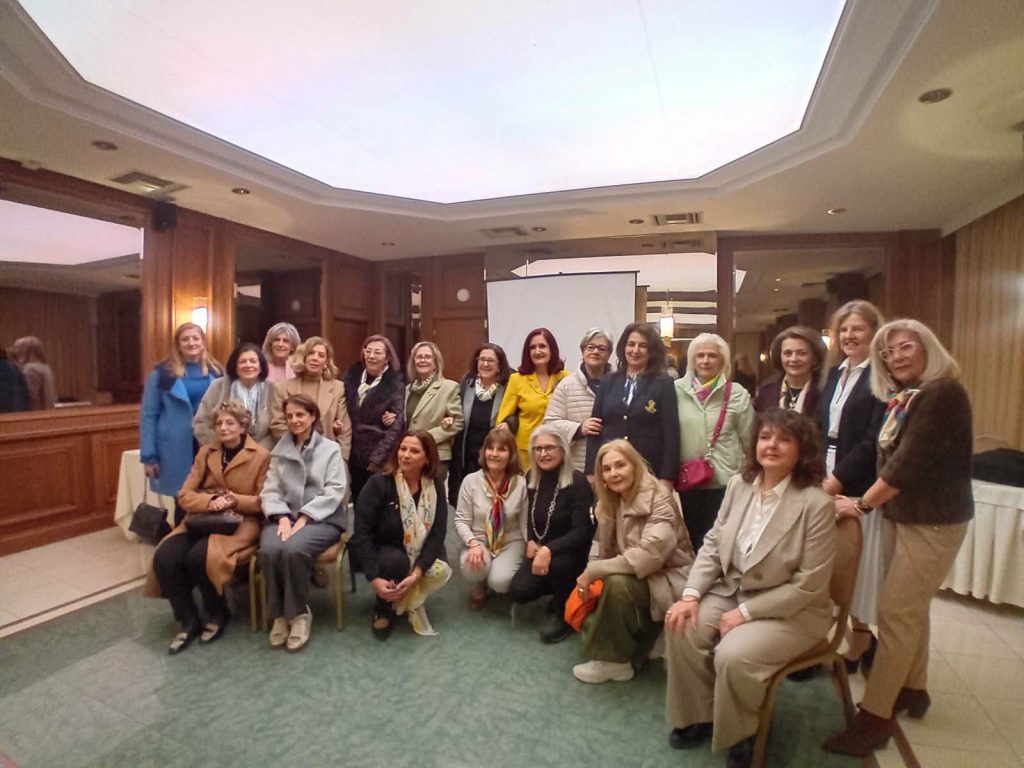
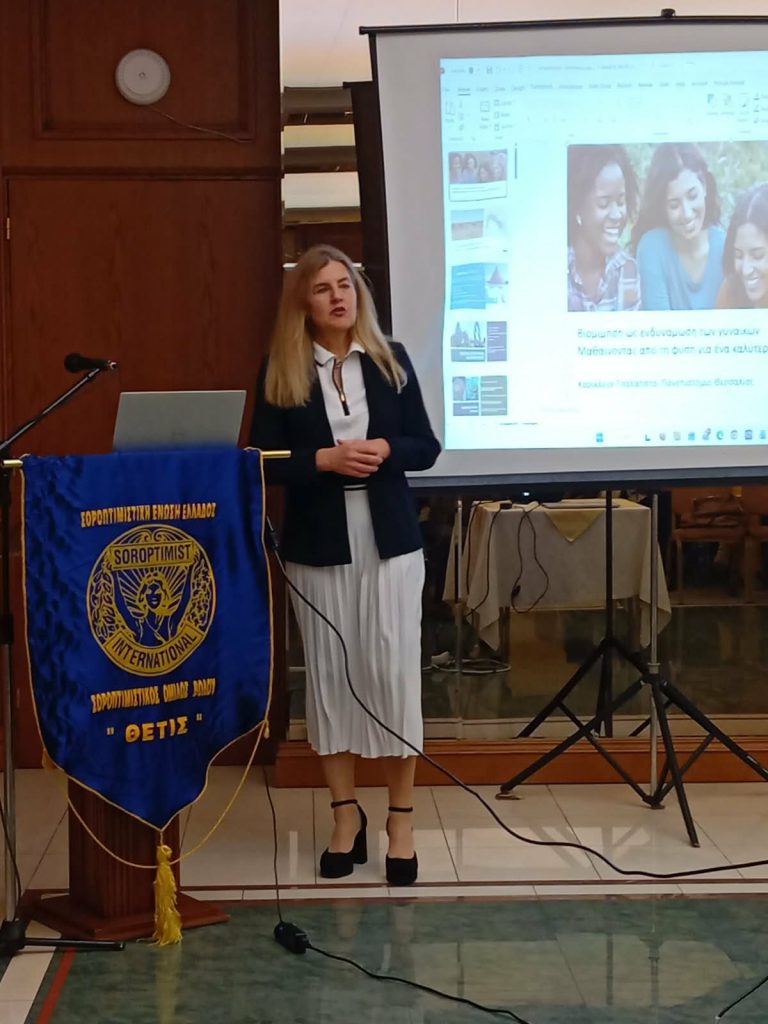
LET’s MIMIC presentation to the Soroptimist Society of Volos, 11/3/2026

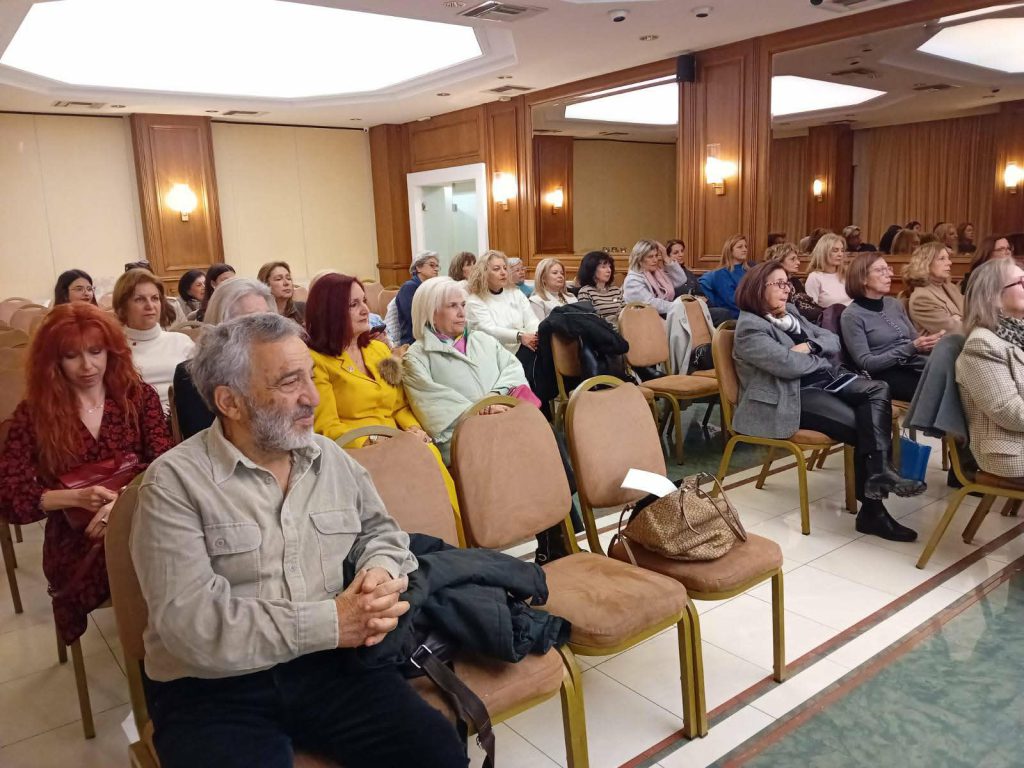
LET’s MIMIC was presented to the Soroptimist Society of Volos in the context of activities celebrating International Women’s Day. Approximately 30 participants had the opportunity to reflect on the importance of biomimicry for empowering women and communities to design solutions to the complex sustainability challenges of the 21st century in an active, agency-driven manner, redefining who is designing the future.

The audience was familiarised with biomicicry concepts related to inspiration from natural models and processes, using the wisdom of nature and working with nature and not against it to create a better world. They were also familiarised with project LET’s MIMIC and its outcomes, including the digital learning platform and resources. The audience engaged in a conversation about how biomimicry can improve the quality of life in the town of Volos andstrengthen the role of women as designers, innovators, and decision-makers. Participants suggested valuable solutions, including green spaces, vertical gardens, green roofs, and interventions that allow for water absorbtion as mitigation for flooding, to which the town is vulnerable.

LET’s MIMIC piloting in Greece with the 1st Vocational High School of Volos, February 2026

Additional piloting activities took place for validating, generating feedback, and integrating student and educator inputs into the LET’s MIMIC biomimicry learning design for innovation inspired by natural models and processes, the LET’s MIMIC digital learning platform, and the training modules.

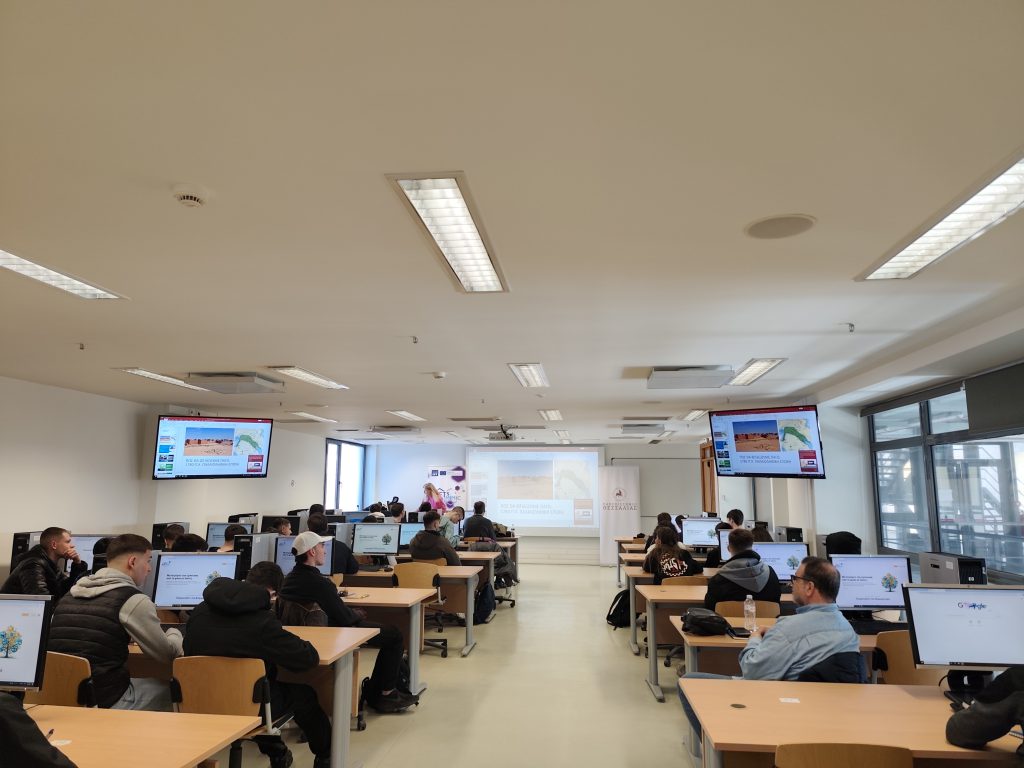
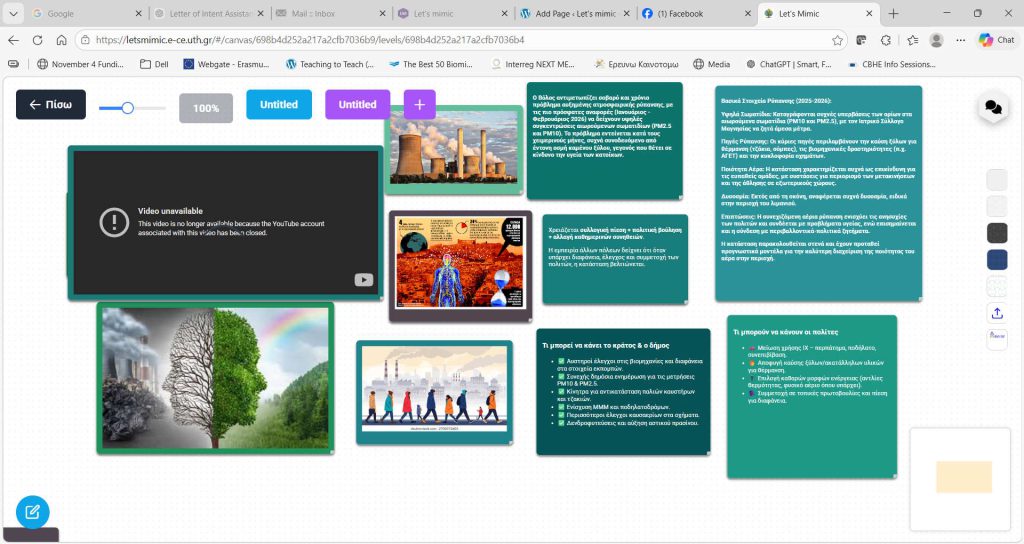
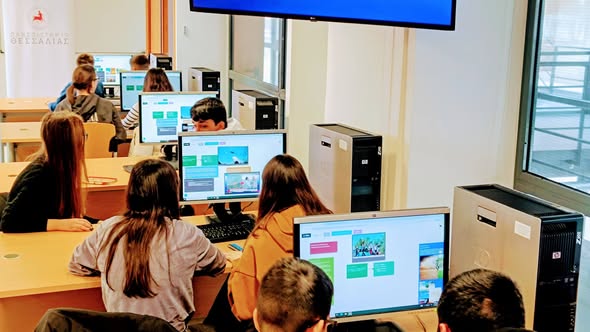
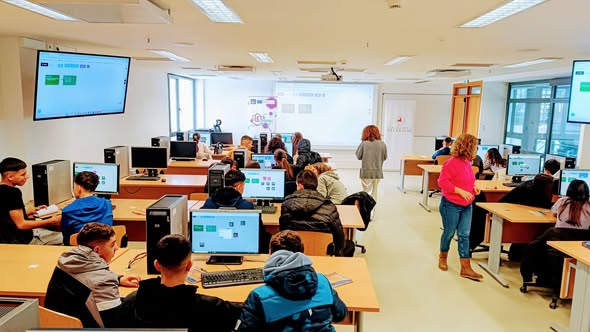
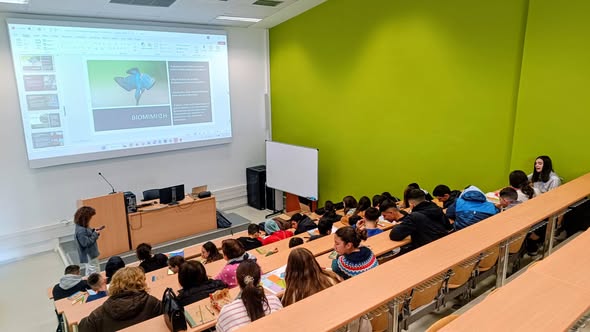
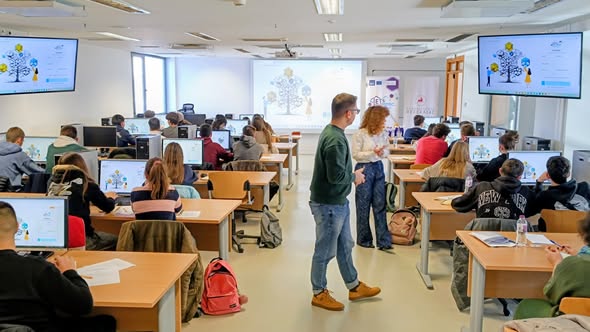
The piloting took place in February 2026, engaging 45 students from the 1st Vocational High School of Volos. The students visited the Department of Electrical and Computer Engineering of the University of Thessaly. In the computer lab, the students reflected on the importance of sustainability for quality of life, were familiarised with the principles and steps of biomimicry, and used the LET’s MIMIC digital learning platform to synthesise biomimicry solutions to address the effects of climate change on the town of Volos. Students were highly engaged, designing solutions for air pollution, plastic pollution, natural cooling and shading mechanisms to alleviate extreme heat, and protection from floods (a topic very relevant in the town of Volos, which was flooded by the Daniel storm 2 years ago).

Students’ response to the use of the LET’s MIMIC biomimicry methodologies and platform was very positive. They were inspired by natural models, understood the importance of working with nature rather than against it, and recognised the “wisdom” of the natural models around us, tested over thousands of years of natural evolution. They particularly engaged with the LET’s MIMIC digital learning platform, which they used to research and share information on climate-related challenges in the town of Volos, describe them through text, pictures, and videos, and synthesise biomimicry-inspired solutions. Students completed their work by designing their solutions on a poster, which they presented to the audience for the benefit of their fellow students see more

LET’s MIMIC multiplier event with the 3rd Gymnasium of Nea Ionia, Volos 27/1/2026

The Creative Technologies Learning Lab research team organised on January 27, 2026 a multiplier event for Erasmus+ project LET’s MIMIC which introduces biomimicry in learning. Biomimicry is an innovative design processs where solutions are inspired by the wisdom of natural models and processes. Project LET’s MIMIC has develop a digital learning platform for biomimicry and rich educational resources.

During the event, approximately 30 students used the LET’s MIMIC digital learning platform to design solutions for improving quality of life in their hometown of Volos, particicularly related to climate change consequences, including natural disasters, such as the recently experienced floods and wildfires. Students designed solutions for water management, air pollution, adding greenery in the city, and reducing the use of cars.

LET’s MIMIC with the Musical School of Volos, Greece 14/1/2026

LET’s MIMIC was used with students from the Music School of Volos, who visited the Department of Electrical and Computer Engineering on January 14, 2025, to participate in a workshop introducing nature-inspired solutions to improve quality of life.

30 students and their teachers designed Biomimicry solutions inspired by natural processes and models for addressing climate change challenges in their town of Volos. Students used the LET’s MIMIC digital learning platform to collaborate in groups and present their innovative ideas to the class. A discussion followed in which students commented and helped improve each other’s ideas.